Why Choose Wet Tissue for Your Cleaning Needs?
Choosing the right cleaning products can be challenging. Among the myriad of options available, "Wet Tissue" has emerged as a versatile and practical choice. These pre-moistened cloths are designed for a range of cleaning needs, from personal hygiene to home care.
Wet Tissue offers convenience and effectiveness in one package. They easily wipe away dirt and bacteria with minimal effort. Many prefer them for quick clean-ups at home, in vehicles, or while traveling. Their portable nature means that you can carry them anywhere. With increased awareness of hygiene, more people rely on Wet Tissue for daily use.
However, it's crucial to consider the materials used in these tissues. Not all Wet Tissue products are created equally. Some may contain harmful chemicals or non-biodegradable materials. This reality prompts a reflection on our choices and their impact. It's essential to choose brands with transparent ingredient lists and eco-friendly practices. Ultimately, Wet Tissue can simplify cleaning routines and enhance hygiene, but informed purchases can make a difference.
Benefits of Wet Tissue: Effective Cleaning Solutions for Various Surfaces
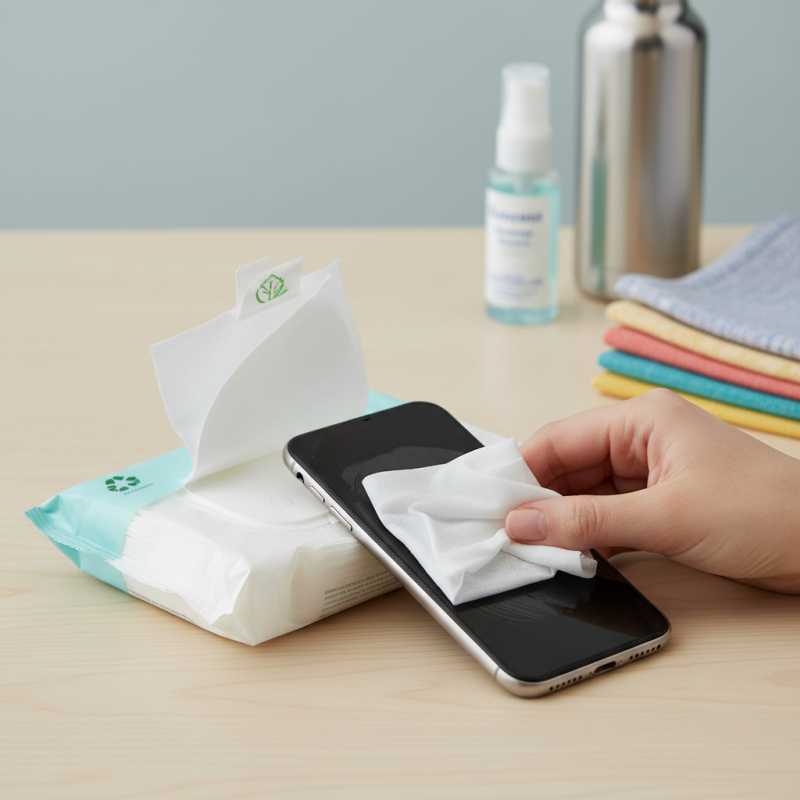
Wet tissues have become an essential tool for effective cleaning solutions. Their convenience and versatility stand out. Ideal for quick clean-ups, they can tackle various surfaces like countertops, electronics, and even children's toys. The pre-moistened formula makes it easy to wipe away dirt and germs without needing extra water or cleaning agents.
These tissues often contain gentle cleaning agents and antibacterial properties. This ensures safe usage on multiple surfaces. Wet tissues are particularly helpful in high-traffic areas where germs multiply. They save time and offer a straightforward way to maintain cleanliness. However, some may find them less eco-friendly compared to traditional cloths.
While wet tissues are convenient, they may not replace deep cleaning. They are ideal for daily maintenance but reflect an ongoing challenge in achieving comprehensive sanitation. Sometimes, relying solely on them might lead to a false sense of security. Users should be mindful of their limitations and incorporate other cleaning methods for a thorough clean.
Environmental Impact: The Biodegradability of Wet Wipes
Wet wipes have become a popular choice for many cleaning tasks. One compelling reason to consider them is their impact on the environment. The biodegradability of wet wipes is a significant factor. Many people overlook this aspect when selecting cleaning products. Biodegradable wet wipes can break down more easily than their traditional counterparts. This means they may contribute less to landfill waste.
However, not all wet wipes are created equal. Some contain synthetic fibers that can take years to decompose. This poses a challenge for our environment as these materials accumulate. Choosing biodegradable options can help reduce this issue. It is essential to check labels carefully. Look for products that are specifically marked as biodegradable. Making informed choices plays a crucial role in minimizing negative environmental impacts.
While wet wipes offer convenience, it is also important to reflect on their usage. Over-reliance on these products can lead to habit formation. Consider balancing their use with traditional cleaning methods. This could present an opportunity to promote sustainability while maintaining hygiene. Ultimately, being mindful of our choices can lead to a healthier planet.
Consumer Preferences: The Rise in Popularity of Wet Tissue Products
The popularity of wet tissue products has been on the rise, driven by changing consumer preferences. According to a recent market research report, the global wet wipes market is projected to reach $17.3 billion by 2027. Consumers love the convenience they offer. Wet tissues provide an easy solution for hygiene needs on the go. Their compact packaging fits effortlessly into bags, making them ideal for busy lifestyles.
However, there are concerns. Despite their ease of use, many products end up in landfills, contributing to environmental issues. A study revealed that 90% of wet wipes are not biodegradable. This contradiction raises questions about sustainability. Consumers may enjoy the quick clean but must consider the long-term effects.
The rise in wet tissue usage prompts necessary discussions about eco-friendly alternatives. While convenience reigns supreme, it's crucial for consumers to remain informed. The fast-paced lifestyle doesn't justify overlooking the environmental impact. Striking a balance between convenience and sustainability remains a challenge. Wet tissues exemplify this dilemma, highlighting a need for thoughtful consumer choices.
Market Trends: The Growth of the Wet Tissue Industry and Consumer Insights
The wet tissue industry has seen significant growth in recent years. According to a recent market research report, the global wet wipes market size is expected to reach approximately $21 billion by 2026. This rise is largely driven by increased consumer demand for convenience and hygiene products. Industry experts highlight that sustainability trends also play a vital role. Many consumers now prefer biodegradable options, pushing manufacturers to innovate.
Tips for consumers: Always check for eco-friendly labels. Supporting brands that prioritize sustainability benefits the environment. Look for wipes made from natural fibers. These tend to be less harmful and promote better disposal practices.
Despite its popularity, there are challenges. Some products may not be flushable as advertised. This can lead to plumbing issues in homes and businesses. It’s essential to read labels carefully. Misleading claims can cause environmental damage. Educating consumers can reduce waste and improve disposal habits. Being informed promotes responsible choices in purchasing wet tissues.
Safety and Hygiene: How Wet Tissues Aid in Germ Reduction and Sanitation
Wet tissues have gained popularity in recent years, especially for their convenience and effectiveness in cleaning. Their use is particularly beneficial in promoting safety and hygiene. In environments where germs thrive, wet tissues can significantly aid in reducing harmful pathogens.
Many people underestimate the importance of sanitation. A quick wipe with a wet tissue can eliminate 99% of germs on surfaces. This process is vital in shared spaces, such as offices or schools. Wet tissues simplify the process of maintaining cleanliness, reducing the risk of illness. However, over-reliance on them can create a false sense of security.
It's essential to remember that not all wet tissues are created equal. Some may not contain sufficient antibacterial agents. Users should read labels carefully to ensure effectiveness. While wet tissues are a handy tool, complementing their use with regular cleaning practices is crucial. Re-evaluating their role in daily hygiene routines can enhance overall safety.
Why Choose Wet Tissue for Your Cleaning Needs?
Wet tissues provide numerous advantages for cleaning and sanitation, including high germ reduction capabilities, convenience for on-the-go use, portability, versatility for different surfaces, and effective moisture control. The chart above illustrates the perception of these benefits in percentage terms.